by Josef Weiss
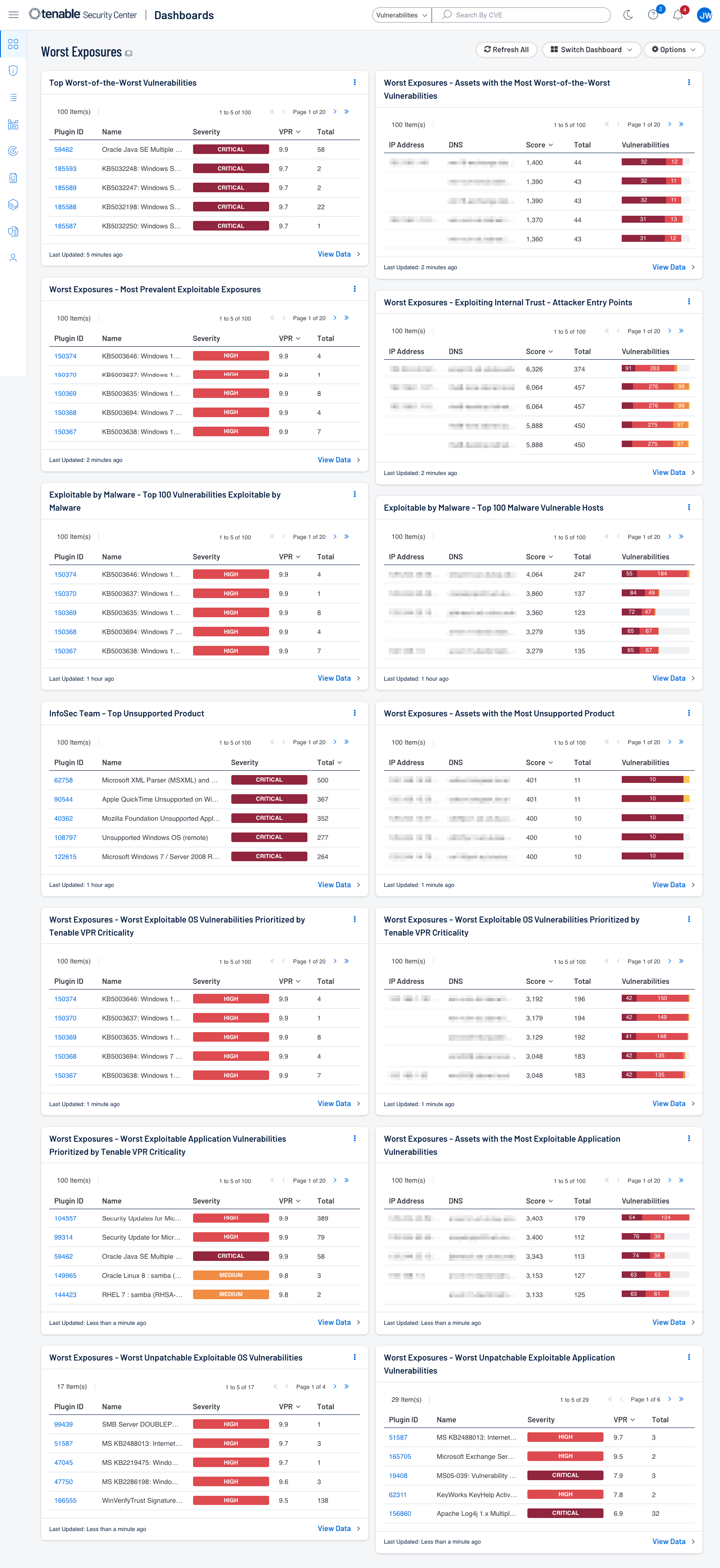
Cybercrime operators continuously refine exploitation toolkits targeting the same repeatable vulnerability categories that organizations struggle to remediate at the speed adversaries weaponize newly disclosed attack vectors, creating persistent exposure gaps where cybercrime campaigns achieve reliable initial access across diverse enterprise environments. Directors of Information Security confront the challenge of translating thousands of vulnerability findings into prioritized remediation investments that address the specific attack paths cybercrime operators exploit most frequently, while Security Analysts must validate that detection coverage accurately identifies the vulnerability conditions adversaries target before reporting exposure metrics that drive resource allocation decisions. The convergence of confirmed exploit availability, elevated prediction scores, and documented cybercrime campaign usage creates a risk prioritization framework that separates theoretical vulnerabilities from practical exploitation pathways demanding immediate organizational response. The Tenable Vulnerability Management dashboard solves this challenge by applying threat-intelligence-driven filtering criteria that mirror cybercrime operator targeting methodologies, surfacing the specific vulnerabilities, assets, and network segments where adversary exploitation succeeds most reliably.
Directors of Information Security leverage the vulnerability-centric components to establish executive visibility into cybercrime exposure patterns organized by exploitation methodology, including curated threat intelligence catalogs, worst-case network-exploitable findings, malware-automated attack vectors, unsupported product persistent gaps, and platform-specific operating system and application exposures prioritized by Tenable VPR criticality. The methodological segmentation enables strategic resource allocation decisions that match remediation investments to the specific cybercrime techniques most likely to target the organization based on documented adversary behavior rather than generic severity scores that fail to distinguish between actively exploited vulnerabilities and theoretical findings lacking practical exploitation capability. Risk prioritization using VPR scores combined with exploit availability confirmation shifts executive focus toward findings where predictive analytics indicate imminent exploitation probability, enabling proactive defense investments that address cybercrime vectors before exploitation campaigns materialize against organizational assets. Unsupported product identification separates strategic migration decisions from tactical patching operations, ensuring executive attention addresses permanent exposure gaps requiring capital investment alongside routine remediation that standard maintenance cycles accommodate.
Security Analysts utilize the asset-centric components to identify systems accumulating dangerous vulnerability concentrations where multiple cybercrime exploitation paths converge on individual hosts, creating compounding risk that exceeds any single vulnerability assessment and demands coordinated remediation campaigns addressing complete exposure stacks rather than individual findings in isolation. The asset-level analysis reveals network segments where cybercrime exposure density concentrates, enabling targeted remediation scheduling that addresses the most attractive adversary targets before distributing effort across lower-risk systems where exploitation probability and business impact remain within acceptable tolerance thresholds. Subnet-level aggregation supports network segmentation recommendations that contain potential compromise blast radius by isolating systems with concentrated exploitation potential from sensitive internal resources, limiting lateral movement capabilities even when initial cybercrime exploitation succeeds against externally accessible services. The per-host vulnerability family distribution enables efficient remediation campaign planning by identifying systems where single maintenance windows can address multiple cybercrime-exploitable findings through coordinated patching rather than requiring repeated access for individual vulnerability resolution.
The organizational cybercrime defense posture benefits from unified visibility across the complete attack surface where vulnerability assessment identifies the specific assets carrying exploitation potential while exposure management provides the business impact context that transforms technical findings into actionable risk intelligence driving investment decisions. Predicting what matters requires machine learning-driven prioritization that identifies vulnerabilities most likely to face exploitation based on threat landscape analysis, adversary behavior patterns, and exploitation framework availability rather than relying solely on static severity classifications that treat theoretical and actively exploited findings equivalently. Acting with confidence emerges from the convergence of threat intelligence filtering, VPR-based prioritization, and asset criticality correlation that enables remediation decisions based on actual business risk rather than vulnerability volume alone. The Organization achieves proactive cybercrime risk reduction by unifying vulnerability data with exploitation intelligence, network positioning context, and business criticality assessments that mobilize remediation resources toward findings carrying the highest likelihood of adversary exploitation and greatest potential business impact.
This dashboard contains the following components:
Top Worst-of-the-Worst Exposures - Security Analysts leverage the Top Worst-of-the-Worst Exposures table to isolate the most dangerous subset of cybercrime vulnerabilities where network accessibility, low attack complexity, and confirmed exploit availability converge into maximum exploitation potential.
Most Prevalent Exploitable Exposures - Directors of Information Security utilize the Most Prevalent Exploitable Exposures table to understand the breadth of cybercrime attack surface where confirmed exploit code exists for detected vulnerabilities across the enterprise environment.
Exploitable by Malware - Top 100 Vulnerabilities Exploitable by Malware - Security Analysts leverage the Exploitable by Malware table to identify vulnerabilities where automated malware exploitation frameworks provide adversaries with repeatable, scalable intrusion capabilities that bypass traditional signature-based defenses.
Top Unsupported Product - Directors of Information Security utilize the Top Unsupported Product table to quantify the persistent cybercrime exposure created by end-of-life software where vendor security patches are permanently unavailable and traditional remediation workflows cannot address newly discovered vulnerabilities.
Worst Exploitable OS Vulnerabilities Prioritized by Tenable VPR Criticality - Security Analysts leverage the Worst Exploitable OS Vulnerabilities table to identify operating system exposures where confirmed exploit availability, elevated VPR criticality, and vulnerability severity converge to create immediate cybercrime exploitation potential across core infrastructure.
Worst Exploitable Application Vulnerabilities Prioritized by Tenable VPR Criticality - Directors of Information Security utilize the Worst Exploitable Application Vulnerabilities table to establish executive visibility into application-layer cybercrime exposure where confirmed exploits target the software applications processing organizational data and serving business functions.
Worst Unpatchable Exploitable OS Vulnerabilities - Security Analysts leverage the Worst Unpatchable Exploitable OS Vulnerabilities table to identify operating system exposures requiring compensating security controls because vendor patches do not exist and traditional remediation workflows cannot resolve the cybercrime risk.
Assets with the Most Worst-of-the-Worst Exposures - Security Analysts leverage the Assets with the Most Worst-of-the-Worst Exposures table to identify systems hosting the maximum concentration of remotely exploitable, no-authentication-required vulnerabilities with elevated VPR criticality that represent priority targets for cybercrime operators.
Exploiting Internal Trust - Attacker Entry Points - Directors of Information Security utilize the Exploiting Internal Trust - Attacker Entry Points table to identify the specific systems that cybercrime operators would target as initial footholds for establishing persistent network presence and launching lateral movement campaigns across the enterprise.
Exploitable by Malware - Top 100 Malware Vulnerable Hosts - Security Analysts leverage the Exploitable by Malware - Top 100 Malware Vulnerable Hosts table to identify systems where concentrated malware-exploitable vulnerabilities create favorable conditions for automated cybercrime campaigns that propagate through the network without human operator intervention.
Assets with the Most Unsupported Product - Directors of Information Security utilize the Assets with the Most Unsupported Product table to identify systems accumulating persistent cybercrime exposure from end-of-life software where traditional patching remediation has permanently ceased and strategic migration decisions become the only path to risk elimination.
Worst Exploitable OS Vulnerabilities Prioritized by Tenable VPR Criticality - Security Analysts leverage the Worst Exploitable OS Vulnerabilities by Asset table to identify systems where concentrations of high-VPR operating system vulnerabilities with confirmed exploitation capabilities create priority remediation targets requiring immediate attention before cybercrime operators exploit the identified weaknesses.
Assets with the Most Exploitable Application Vulnerabilities - Directors of Information Security utilize the Assets with the Most Exploitable Application Vulnerabilities table to identify systems where concentrations of application-layer cybercrime exposure with confirmed exploits and elevated VPR criticality warrant strategic remediation investments or application portfolio decisions.
Worst Unpatchable Exploitable Application Vulnerabilities - Security Analysts leverage the Worst Unpatchable Exploitable Application Vulnerabilities table to identify application-layer exposures where absent vendor patches force implementation of compensating security controls, configuration modifications, or application removal as the only available cybercrime risk reduction strategies.
Tenable One
Request a demo
The world’s leading AI-powered exposure management platform.
Thank You
Thank you for your interest in Tenable One.
A representative will be in touch soon.
Form ID: 7469
Form Name: one-eval
Form Class: c-form form-panel__global-form c-form--mkto js-mkto-no-css js-form-hanging-label c-form--hide-comments
Form Wrapper ID: one-eval-form-wrapper
Confirmation Class: one-eval-confirmform-modal
Simulate Success